
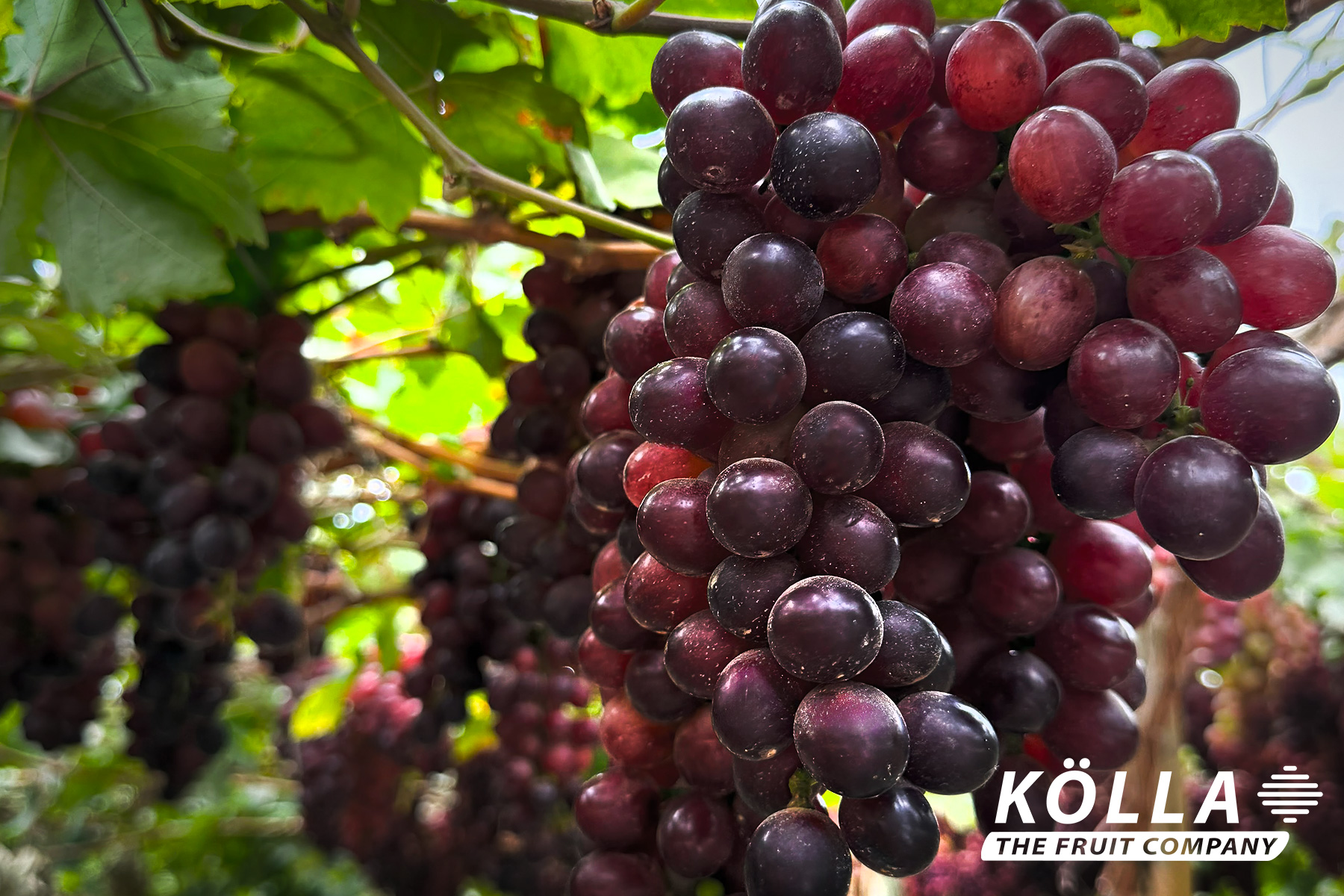
The European table grape season has entered its second half. At present, medium and late Italian varieties are defining market activity. For KÖLLA, the focus is particularly on the continued development of quality, the availability of key premium varieties, and the progress of overseas supply programs.
Overall, producers and market participants assess the current situation positively. While available volumes remain below the exceptionally high yields recorded last season, production is in line with expectations and at a satisfactory level. At the same time, grape quality is meeting both retail requirements and producers’ expectations.
Heat Shapes the Season
One of the key challenges of this year’s season has been the exceptionally high temperatures across Italy’s growing regions. In many areas, this summer ranks among the hottest in recent years.
The prolonged heat initially caused delays in the ripening of many mid- and late-season varieties. However, most of this delay has since been recovered. At the same time, it remains evident that quality continues to depend heavily on weather conditions. High temperatures combined with elevated humidity continue to pose challenges for growers. So far, however, these climatic conditions have not had a negative impact on marketable quality.
Autumn Crisp Remains the Benchmark in the Premium Segment
Within the seedless grape category, one variety in particular is currently at the center of commercial activity: Autumn Crisp.
The variety now accounts for a significant share of Italian seedless grape production and has firmly established itself within the premium segment. Producers and marketers report a stable situation in terms of quality, availability, and demand.
The market for dark seedless grapes also remains well diversified. While the different varieties offer distinct flavor profiles, they are generally regarded as commercially successful and highly marketable.
The situation differs somewhat for seeded grapes. Quality is described as very good, but available volumes are more limited. This is largely due to the declining acreage dedicated to seeded varieties over recent years.
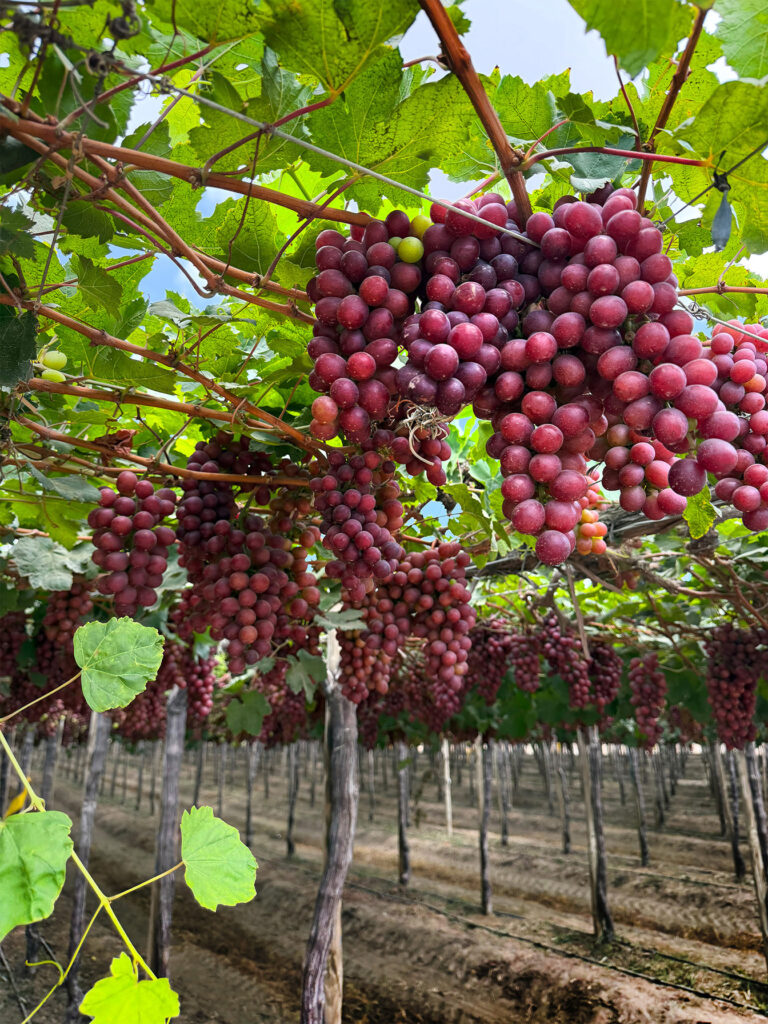
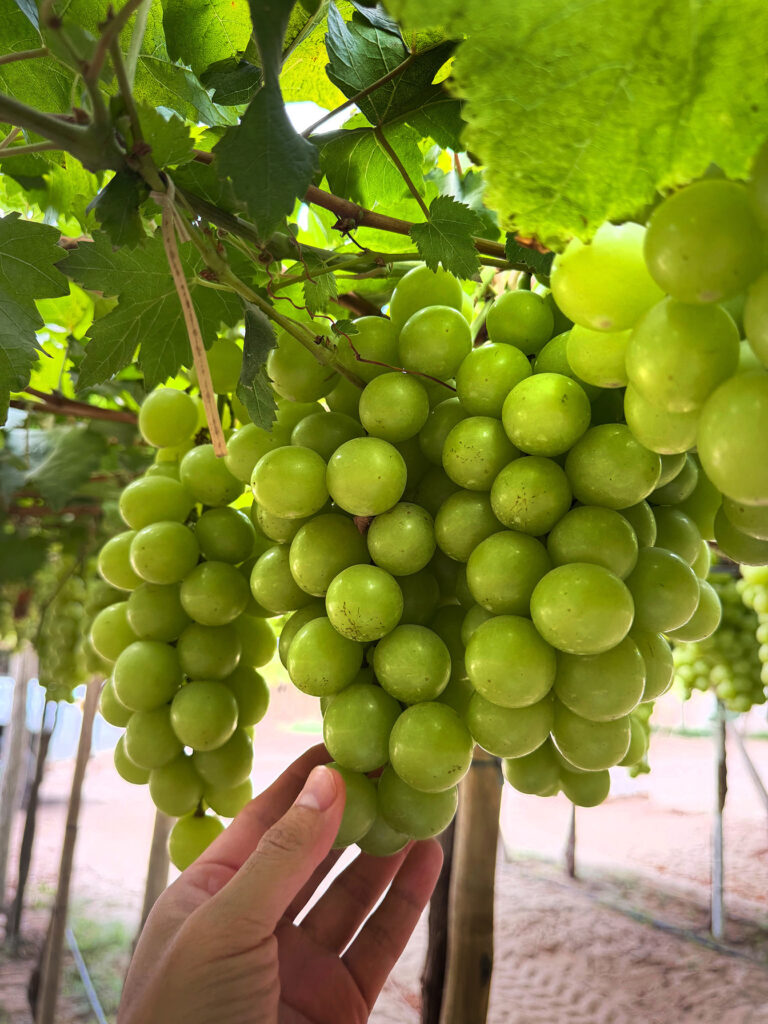
Market Remains Stable
Current harvest volumes are below last season’s exceptionally high levels but remain broadly in line with expectations among producers and marketers.
The quality of currently available fruit is also receiving consistently positive feedback. Particularly for premium varieties such as Autumn Crisp, market participants report stable availability and solid commercial performance.
Over the coming weeks, market developments will largely be influenced by the progress of Italy’s late-season production and the arrival of the first overseas programs.
Italy Serves as the Bridge Into the Seasonal Changeover
Italian late-season varieties will play a particularly important role in the transition to the overseas campaign.
Based on current assessments, standard Italian varieties are expected to remain available until approximately mid-November. Key varieties during this marketing period include Sugar Crisp, Kelly, and Autumn Crisp among the white grapes, together with Allison, Carlita, Timco, and Scarlotta among the red varieties.
In the premium segment, availability is expected to extend at least until mid-December. Italy will therefore once again serve as a vital link between the European season and the first significant overseas arrivals.
This year’s transition to the overseas season will require particular attention. In Northern Peru, the first major origin of the new campaign, producers expect crop losses of around 15-20% due to the impact of El Niño. In addition, limitations in sizing and berry size are anticipated. At the same time, the season is developing earlier than usual. Harvesting is expected to begin within the next few days, with the first arrivals in Europe anticipated from calendar week 43 onward.
Meanwhile, Italian late-season varieties are expected to remain available well into November. Additional volumes from Brazil are also expected to enter the European market as a result of shifting trade flows. This is likely to create a market environment in which multiple origins are active simultaneously over the coming weeks.
While Northern Peru continues to be affected by El Niño-related challenges, the regions of Ica, Pisco, and Arequipa are currently viewed much more positively. Current expectations point to a largely normal harvest in these production areas.
Assessment and Outlook
The second half of the Italian grape season is developing positively overall. Quality levels are strong, key premium varieties remain available in sufficient volumes, and weather-related delays have largely been overcome.
At the same time, further developments remain highly dependent on weather conditions in the weeks ahead. Late-season varieties in particular remain sensitive to changes in temperature and humidity.
From today’s perspective, the foundations for a smooth transition from European to overseas origins are firmly in place. Italian late-season varieties are once again expected to play a central role, supplying the market with high-quality table grapes well into the autumn period.
Particular attention is likely to focus on the transition phase between Europe and overseas origins this year. While Italian late-season varieties are expected to remain available for longer than usual, the first South American programs are anticipated to arrive earlier than normal. As a result, the overlap between the two supply regions could expand significantly during November and December, with a substantial impact on the balance between supply, demand, and market pricing.
October 2026